
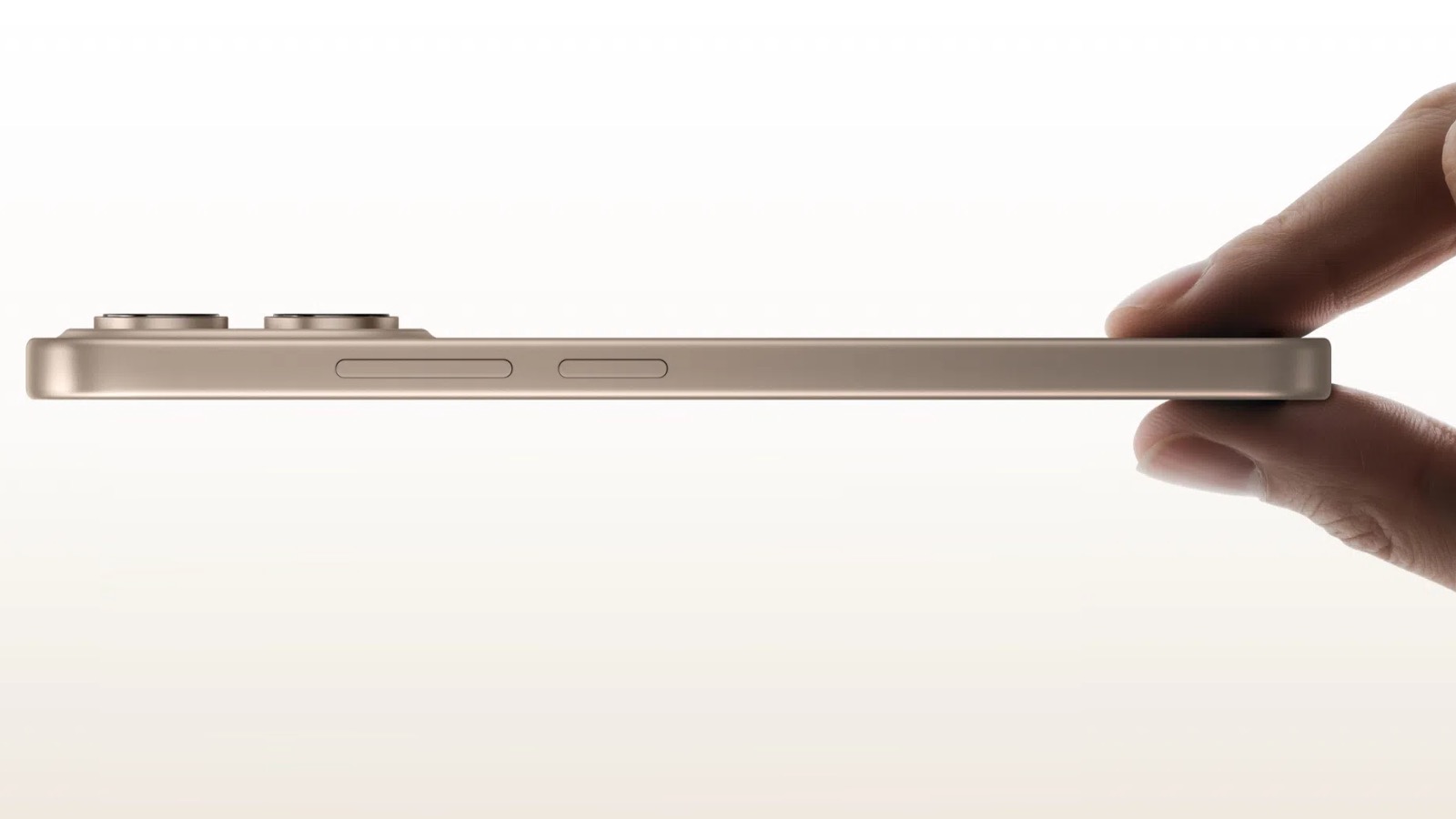
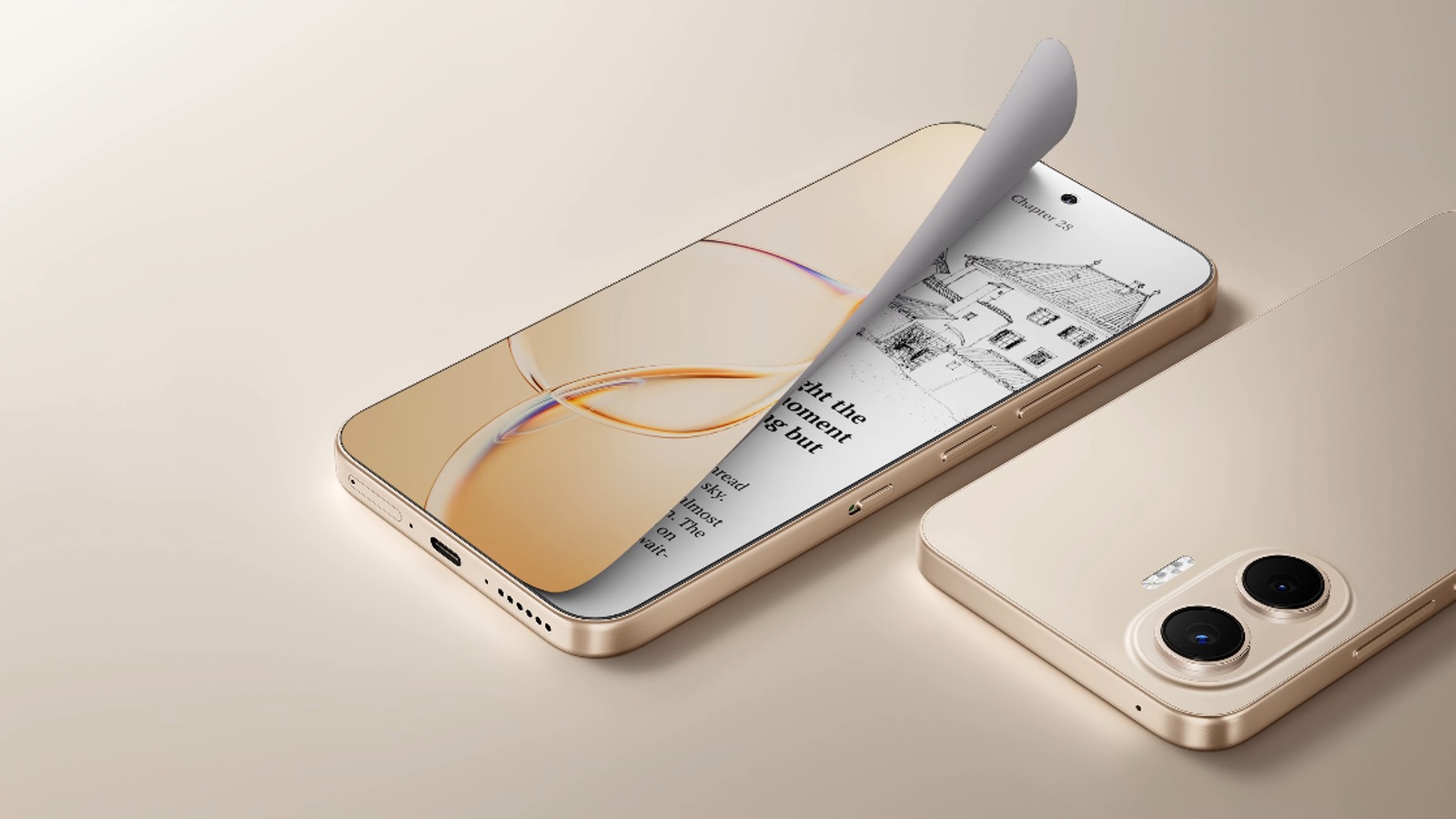
TCL launched the TCL P80 Pro in Colombia, a mobile phone that marks a technical milestone by bringing its renowned Nxtpaper visual comfort technology to an organic matrix Amoled panel for the first time. In practice, this allows the phone to transform its screen into a kind of e-paper, which uses an ultra-low power monochromatic interface and offers an experience similar to that of a Kindle and other e-readers. With this move, the Chinese brand breaks the historical limitation of its matte technology, which until now was confined exclusively to LCD panels with lower contrast and reduced brightness.
The device integrates a MediaTek Dimensity 7400 Elite processor and a 5,800 mAh battery with 45W fast charging. Despite its sleek lines - weighing only 191 grams and with a thickness of just 8.26mm - it features a 6.83-inch screen with 1.5K resolution (2,766 × 1,280 pixels), adaptive refresh rate of 120 Hz, and a peak brightness reaching 3,200 nits.
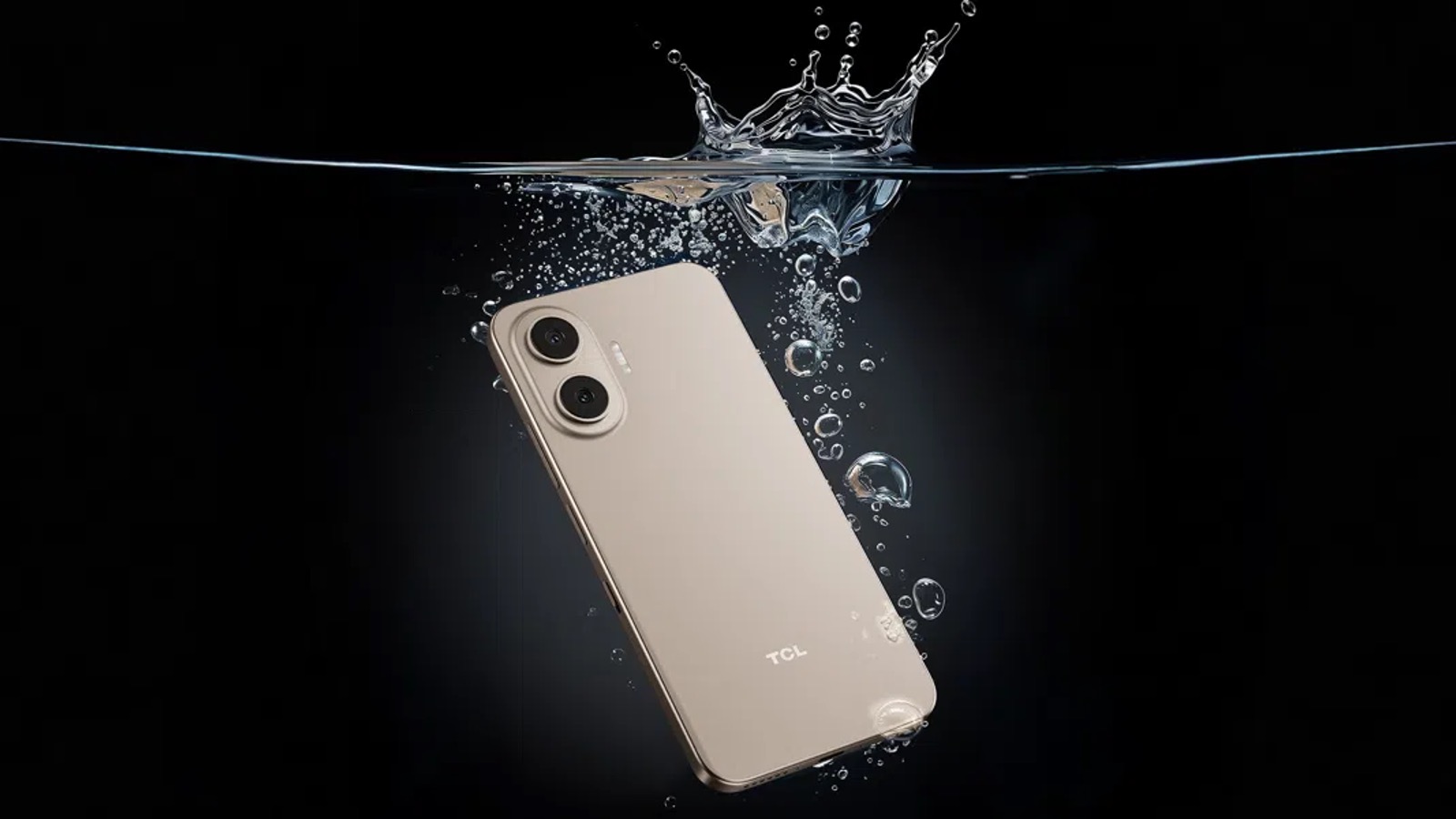
Why it matters
The convergence between Amoled panels and the type of anti-glare optical coating solves one of the biggest deficiencies of contemporary smartphones: the direct impact of prolonged screen consumption on eye health. While traditional organic screens rely on reflective crystals that create annoying glares and require maximum brightness outdoors, the P80 Pro's Nano Crystal Shield layer disperses ambient reflections and polarizes outgoing light by up to 95%. This allows the device to be used comfortably in any environment, even when wearing polarized sunglasses.
Furthermore, the device democratizes specifications that used to be reserved for the high-end segment over a thousand dollars. At the ecosystem level, the architecture of the MediaTek Dimensity 7400 Elite processor built on a 4-nanometer process will enable advanced generative AI functions on the chip itself, reducing cloud dependency for demanding tasks like photo editing.
This includes interesting on-device AI functions such as Copy & Go (which analyzes text in the clipboard and proactively suggests the next action), Smart Translator (which allows simultaneous interpretation in bilingual conversations), and Enhanced Reading (which offers features like automatic summarization of long texts or conversion of written documents into audio), in addition to Google tools like Gemini & Circle to Search.
What's next
Future firmware updates will integrate predictive algorithms capable of monitoring the user's viewing distance and exposure time to issue automatic visual rest alerts.
Consumer response to this hybrid format will determine whether TCL licenses the Nxtpaper Amoled technology to other manufacturers or keeps it as its main differentiator against direct competitors in the mid-range like Xiaomi, Samsung, and Motorola.
Context
TCL introduced the Nxtpaper brand for the first time in 2020 as a proprietary alternative aimed at reducing blue light radiation at the hardware level without altering the color fidelity of images. For years, this solution was restricted to tablets and hybrids with reflective LCD panels, which lacked the level of contrast, black depth, and response speed demanded by next-generation smartphone users. The evolution towards organic matrices required redesigning the panel's layer structure to avoid degrading the native brightness of the Amoled.
The launch of the P80 series consolidates the firm's strategy to climb positions in the global mobile phone market through technical differentiation in key components like the screen. In a market saturated with identical specifications, TCL leverages its position as one of the largest global manufacturers of television panels and industrial screens through its subsidiary CSOT (China Star Optoelectronics Technology) to internally produce these advanced display components.
In the Latin American context, where the mid-range holds the largest market share and battery autonomy along with durability are key purchasing criteria, the inclusion of a 5,800 mAh cell along with military-grade drop protection positions the device as a strong competitor in the region.