
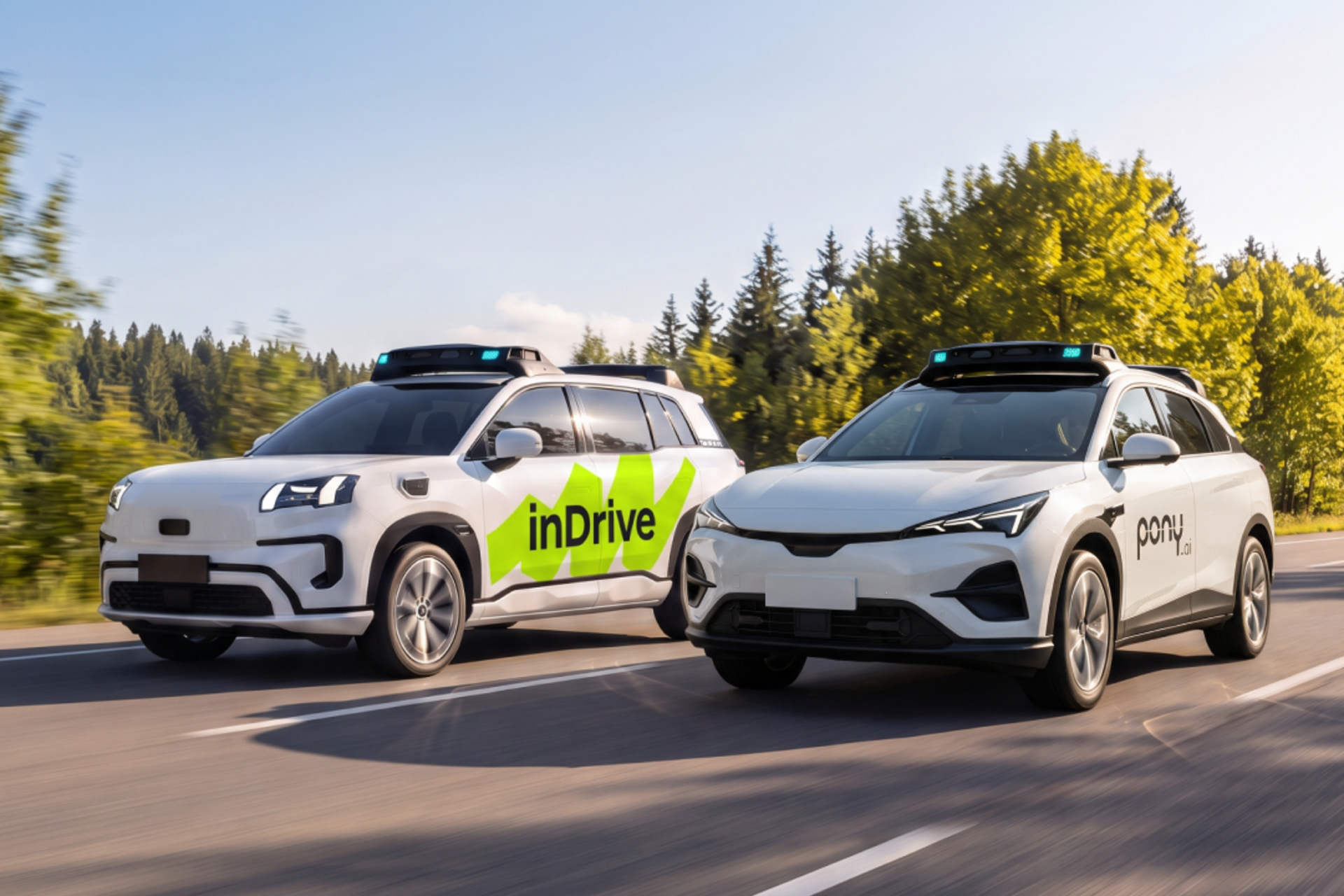
inDrive announced plans to start testing robotaxis in Astana, the capital of Kazakhstan, during the first half of 2027. For this project, the company has partnered with Nvidia and Pony.ai, a developer of autonomous technology. According to TechCrunch, inDrive seeks to implement these autonomous vehicles in an urban environment, representing a significant step in its expansion strategy.
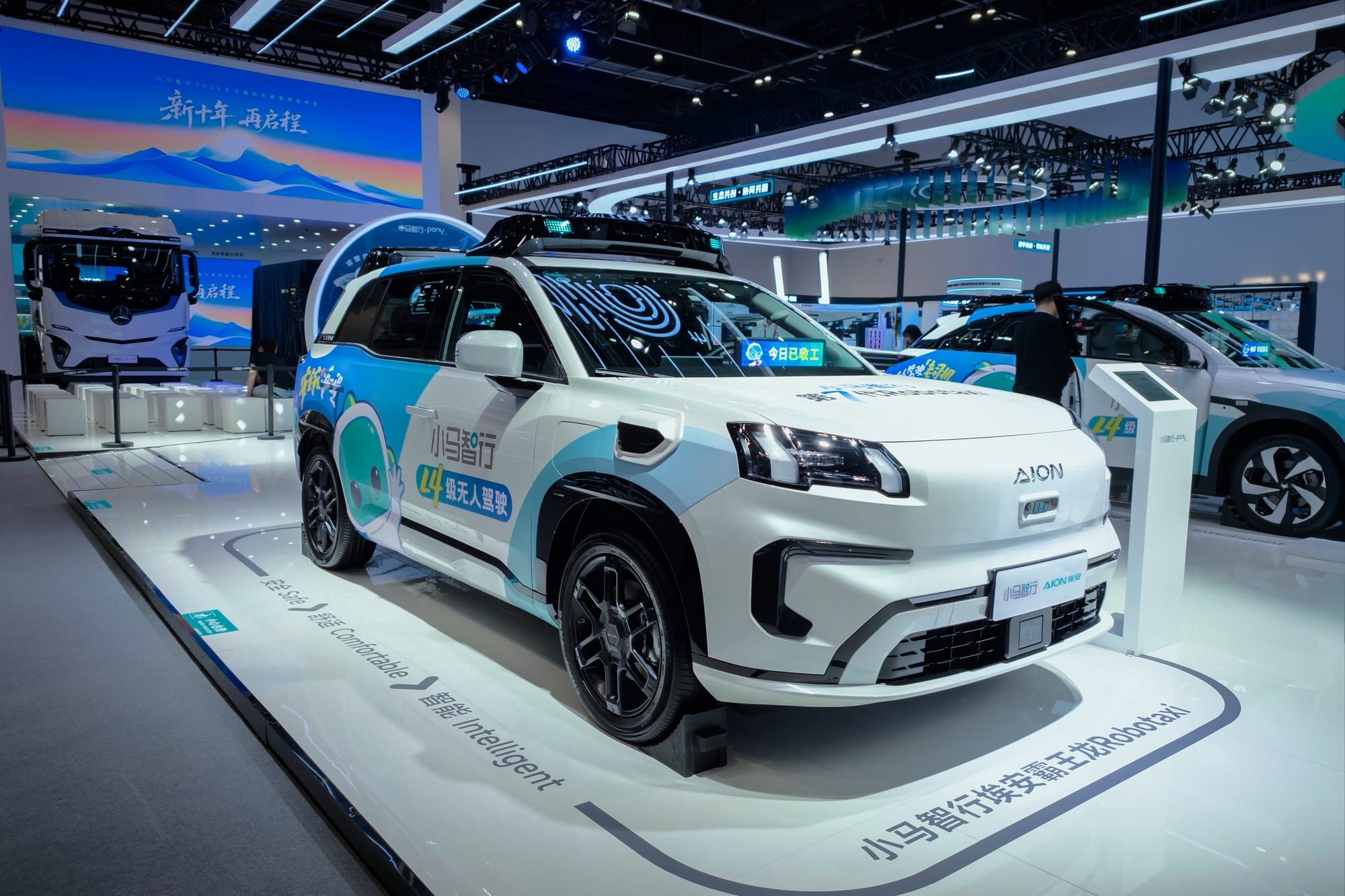
According to TurkmenPortal, Pony.ai will provide vehicles equipped with its Gen-7 autonomous driving system, while inDrive will manage the transportation platform and service operations. Nvidia will provide technical support, and the project is based on the Hyperion platform, designed for the development of driver assistance and autonomous systems, as well as the Halos safety system for artificial intelligence.
The robotaxis will operate without a human driver at the wheel within designated areas and will face real challenges, such as urban traffic and the possibility of rain or snow.
The collaboration between inDrive, Pony.ai, and Nvidia focuses on the integration of advanced artificial intelligence and graphics processing technologies, essential for the safe and efficient operation of the robotaxis. This initiative not only highlights inDrive's ambition to compete in the autonomous mobility market but also reflects a commitment to technological innovation in less explored regions like Central Asia.
Why it matters
inDrive's entry into the robotaxi market in Kazakhstan could transform the urban transportation landscape in the region. This move is significant not only because it introduces cutting-edge technology to a new market but also because it could boost economic and technological development in Central Asia. The collaboration with Pony.ai and Nvidia ensures that inDrive will have access to state-of-the-art technologies, which could set a new standard in the autonomous mobility industry.
Additionally, the implementation of robotaxis in Kazakhstan could serve as a case study on the viability and acceptance of autonomous vehicles in emerging markets. This could influence future regulatory and commercial developments in other regions with similar characteristics, expanding the reach of autonomous technology globally.
What's next
The next steps for inDrive include logistical and technical preparation for robotaxi tests in Kazakhstan. This involves not only adapting local infrastructure to support autonomous vehicles but also training personnel and establishing safety protocols.
Context
inDrive, originally known as inDriver, has gained notoriety for its business model that allows passengers and drivers to negotiate fares directly. Founded in 2013, the company has grown rapidly, expanding to more than 30 countries. Its foray into the realm of autonomous vehicles marks a new chapter in its diversification strategy.
Pony.ai, on the other hand, is a Silicon Valley-based startup that has been at the forefront of autonomous driving technology development. With significant investments from companies like Toyota, Pony.ai has been testing its robotaxis in several cities in China and the United States. Nvidia, known for its high-performance GPUs, provides the processing power necessary for the complex AI operations in these vehicles.
Read more: TechCrunch, TurkmenPortal, Pony.ai